
 Gift Finder
 Gifts for Occasions
Portrait vs Landscape: What Is the Difference?
Portrait and landscape are the two most common image orientations. Portrait orientation is taller than it is wide, while landscape orientation is wider than it is tall. The choice affects how a photograph, video, print or design feels and how well it fits the space where it will be viewed.
If you are deciding between portrait vs landscape for photography, social media, prints or displays, the right choice usually depends on the subject, the story you want to tell and the final destination of the image.
Portrait Orientation
Taller than it is wide. Best suited to people, vertical subjects, mobile-first content and compositions where height matters.
Landscape Orientation
Wider than it is tall. Best suited to scenery, group photographs, wide environments and displays where horizontal space matters.
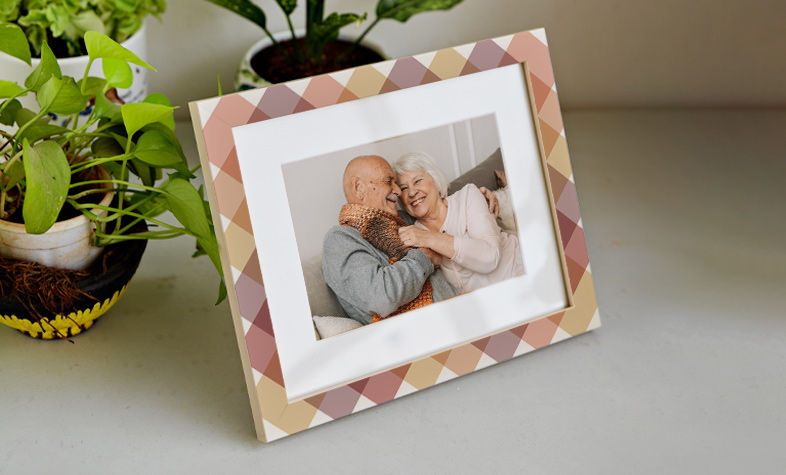
What Is Landscape Orientation?
Landscape mode uses a horizontal composition, giving the image more width than height. It is useful when you want to capture a broader scene, include multiple people in one frame or show more of the surroundings around the subject.
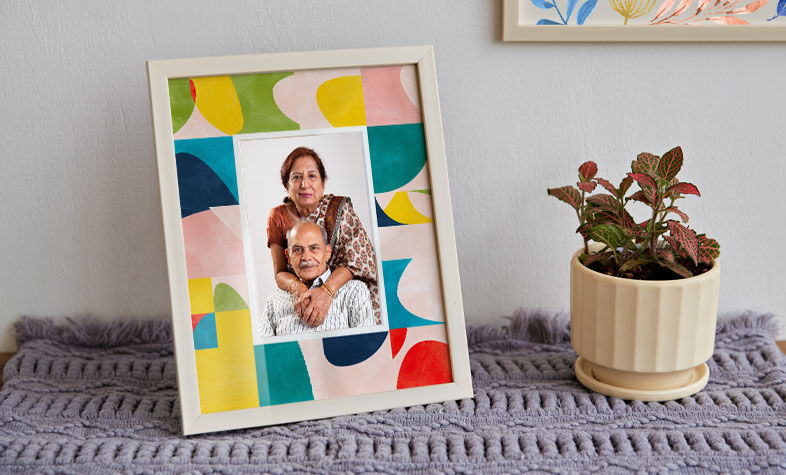
What Is Portrait Orientation?
Portrait mode uses a vertical composition, making the image taller than it is wide. It is often used when the subject itself is vertical or when you want the viewer’s attention to stay tightly focused on a person or object.
Portrait vs Landscape: Key Differences
| Aspect | Portrait | Landscape |
|---|---|---|
| Shape | Taller than wide | Wider than tall |
| Best suited to | People, vertical subjects, documents and mobile content | Scenery, groups, wide environments and desktop displays |
| Visual feel | More focused and intimate | More expansive and contextual |
| Common use | Reels, Shorts, portraits, posters | Desktop screens, banners, wide photos, landscape prints |
When Should You Use Portrait Orientation?
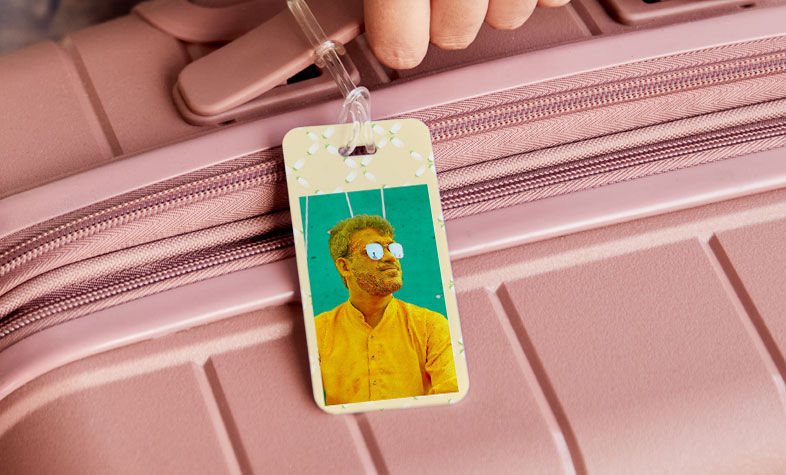
Portrait orientation is useful when the subject is vertical or when the image needs to fit naturally on a mobile screen. It is commonly used for:
- individual portraits and close-up photographs
- vertical products or tall objects
- Instagram Reels, YouTube Shorts and similar mobile-first content
- posters, cards and layouts where height is more important than width
When Should You Use Landscape Orientation?
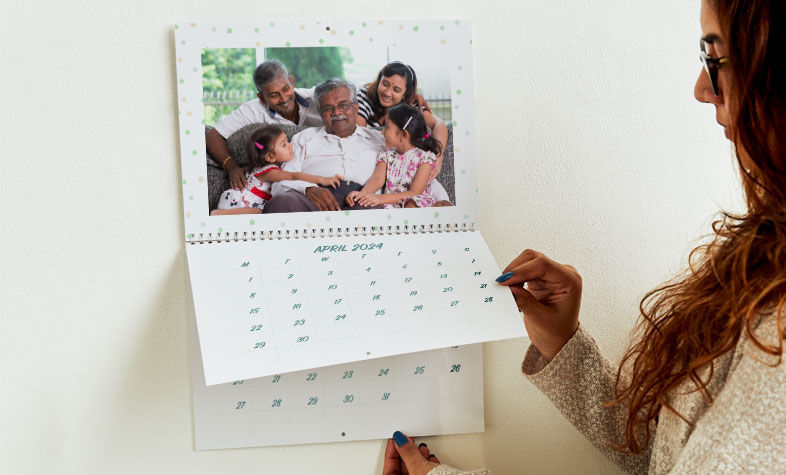
Landscape orientation works well when the scene needs more horizontal space. It is commonly used for:
- landscapes, mountains, beaches and travel scenes
- group photographs
- desktop screens and presentations
- video editing interfaces and other wide-screen workflows
- wide banners, calendars and wall displays
How to Choose Between Portrait and Landscape
1. Look at the Subject
A tall subject usually works naturally in portrait orientation, while a wide scene generally suits landscape better.
2. Think About the Story
Portrait can create closeness and focus. Landscape can provide more context and make the surroundings part of the story.
3. Consider Where It Will Be Used
A vertical social post, horizontal wall frame and desktop presentation all have different orientation requirements.
Landscape vs Portrait Photography: Which Creates More Impact?
Neither orientation is automatically better. The visual impact depends on what you want the viewer to notice.
Portrait orientation can make a person or subject feel more prominent by removing unnecessary surroundings. Landscape orientation can make a scene feel larger by showing more environment around the subject.
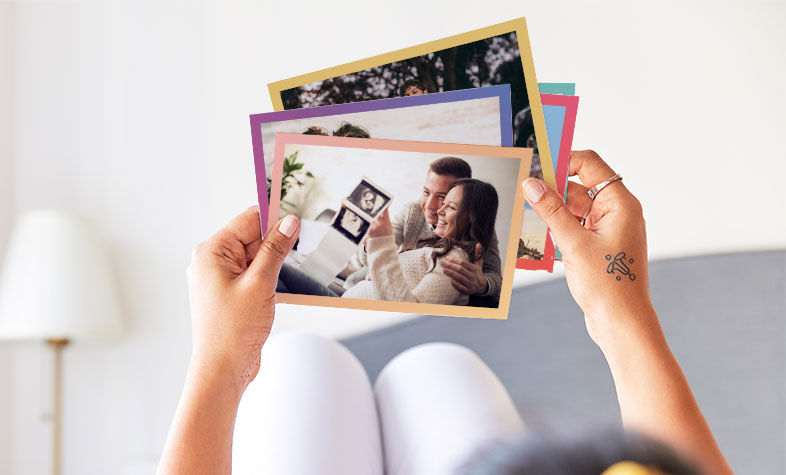
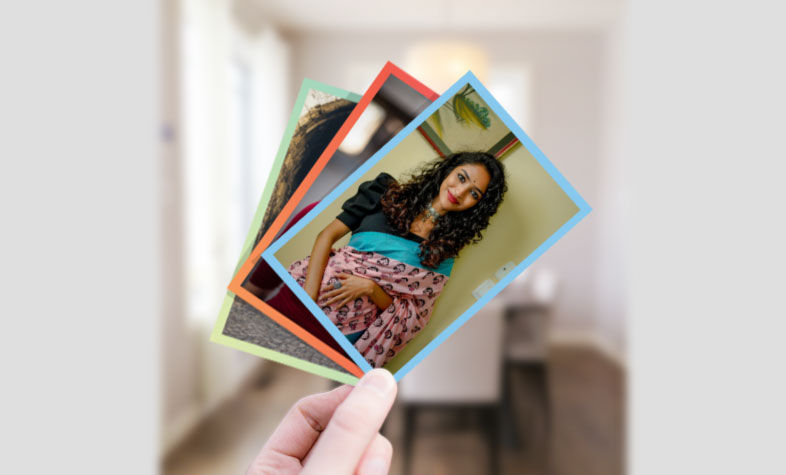
Portrait and Landscape Formats for Photo Products
The same orientation principles matter when you print photographs. Before ordering, check whether the product or display area works better with a vertical or horizontal image.
You can use portrait and landscape photographs across Zoomin products such as photo books, photo prints, photo calendars, photo mugs and photo magnets.
Final Thoughts on Portrait and Landscape
The difference between landscape and portrait is simple: one is wider, the other is taller. But that basic difference can have a major effect on composition, storytelling and how an image is displayed.
Use portrait when height, focus and mobile viewing matter most. Use landscape when width, context and broader scene coverage are more important. And when in doubt, think first about the subject and where the final image will appear.
FAQs on Portrait vs Landscape
What is the difference between portrait and landscape?
Portrait orientation is taller than it is wide, while landscape orientation is wider than it is tall. The choice affects composition and how the image fits a screen, print or display space.
Should I always use landscape orientation for landscape photography?
No. Landscape photography refers to the subject, not necessarily the orientation. A tall waterfall, tree or building may work better in portrait orientation.
When is portrait orientation better for landscapes?
Portrait orientation can work better when you want to emphasise vertical elements such as waterfalls, trees, cliffs or architectural features.
What is the best orientation for social media?
Portrait orientation is usually better for vertical, mobile-first formats such as Instagram Reels and YouTube Shorts. Other social formats may support square or landscape layouts as well.
Can I crop an image to change its orientation?
Yes. If the photograph has enough surrounding space, you can crop it from landscape to portrait or vice versa. Make sure the crop does not remove important parts of the subject.
Is portrait or landscape better for printing photos?
It depends on the photograph and the product. Portrait works well for vertical subjects and frames, while landscape suits wide photos, group pictures and horizontal displays.